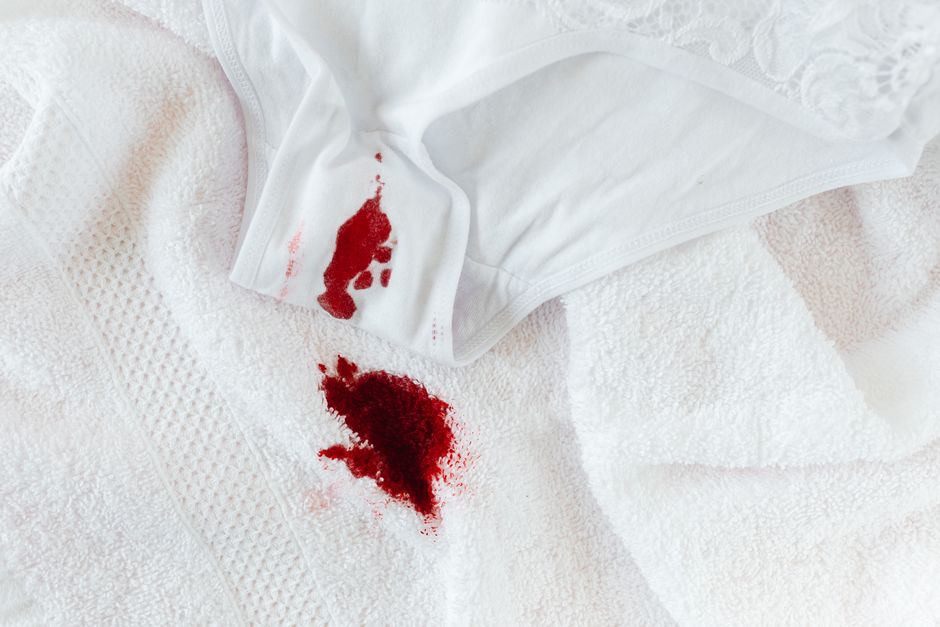
What to know about urgent cleaning for stains in Haringey
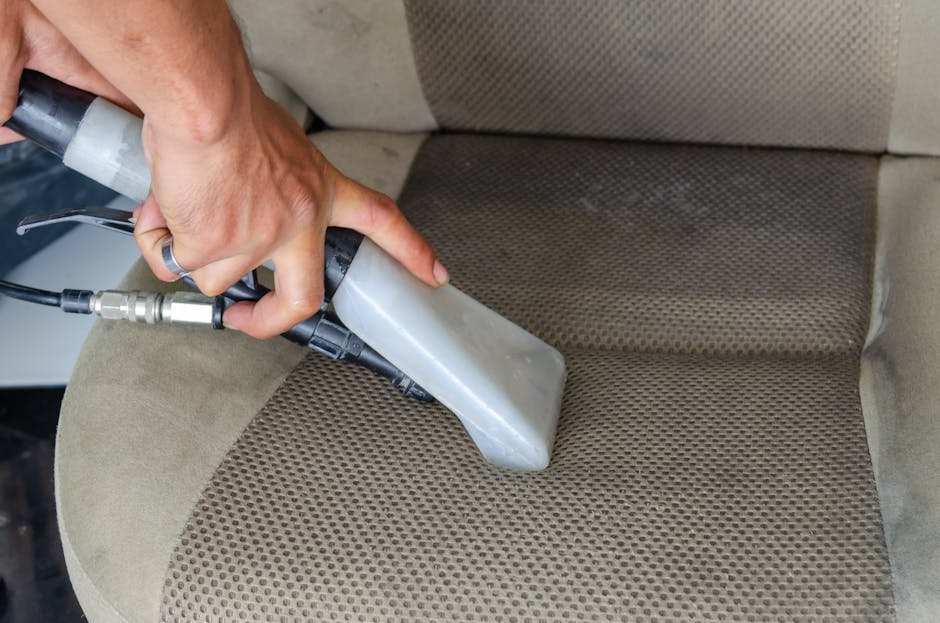
If you have just spotted a spill on a carpet, sofa, rug, or hard floor, the clock starts ticking fast. Truth be told, that moment of panic is familiar: a dropped coffee, red wine on a light rug, muddy footprints after a wet London afternoon, or a pet accident right by the front room. This guide explains what to know about urgent cleaning for stains in Haringey, so you can act quickly, avoid making the mark worse, and decide when it is time to bring in professional help.
Urgent stain cleaning is not just about speed. It is about using the right response for the fabric, surface, and stain type before the mark binds deeper into fibres or spreads across the area. Below, you will find practical steps, common mistakes, a comparison of cleaning approaches, and a realistic checklist you can use in the middle of a stressful mess. No fluff. Just the things that actually help.
Why urgent stain cleaning matters
A fresh stain behaves very differently from an old one. In the first few minutes, a spill is usually sitting on the surface or only lightly touching the fibres. Give it time, though, and it can settle, oxidise, dry, or react with the material beneath. That is when the job gets harder, more expensive, and a bit more frustrating than it needed to be.
In Haringey, urgent cleaning matters for more than appearance. Homes here often have a mix of older carpets, rental properties, busy family spaces, and shared hallways or work areas that see a lot of foot traffic. A stain on a cream hallway runner, for example, can spread quickly if shoes keep tracking through it. On a sofa, even a small spill can wick into the cushion filling and leave a smell behind. Not ideal.
There is also the everyday pressure of timing. If you are moving out, expecting guests, managing a property, or trying to keep an office presentable, one ugly stain can become a real headache. In those situations, prompt action is less about perfection and more about damage control. The goal is to stop the stain from becoming a long-term problem.
Expert summary: the best stain response is usually the simplest one done early, calmly, and with the right method for the surface. Blot first, identify the material, avoid guessing with chemicals, and decide quickly whether a professional clean is the safer option.
It is also worth saying that some stains are deceptive. What looks like a tiny mark on the surface may already have travelled below the pile or finish. So, if you are thinking, "It does not look that bad," that may be exactly why urgent cleaning matters. Catch it while it is still manageable.
How urgent stain cleaning works
Urgent stain cleaning is a process of stabilising the spill before it has time to set. The approach depends on the stain type, the surface, and how much moisture has been absorbed. There is no magic trick. There is, however, a sensible sequence that tends to work well.
1. Identify the stain as best you can
Start by asking what caused it. Is it water-based, oily, protein-based, tannin-based, or something more stubborn such as ink, makeup, paint, or bleach? You do not need to become a chemist, but the basic category helps you avoid the wrong treatment. Coffee and tea behave differently from cooking oil. Blood is different again. Pet accidents bring both stain and odour concerns.
2. Assess the surface
Carpet, wool rug, upholstery, laminate, tile, sealed wood, and natural stone all react differently. A cleaning method that is fine for a hard floor may ruin upholstery dye or spread a stain in a carpet backing. That is why "just scrub it" is not a strategy. It is how people accidentally make a small problem into a bigger one.
3. Remove excess material safely
For liquids, the first task is usually blotting. For solids, scrape gently without pushing the material deeper. If the spill is still wet, work from the outside toward the centre so you do not enlarge the mark. If it has started drying, be extra careful with friction. Too much pressure can grind pigment or residue into the fibres.
4. Use the least risky cleaning method first
Most good stain work starts mild and becomes more targeted only if needed. A gentle detergent solution, a suitable upholstery or carpet pre-treatment, or a pH-appropriate cleaner is often better than jumping straight to a harsh chemical. That is especially true in homes with pets, children, or sensitive materials.
5. Control moisture and drying
One overlooked step is drying. Even if the stain looks lighter, excess moisture can leave rings, smells, or re-soiling. In practical terms, a clean towel, airflow, and patience matter. On a damp day, especially in a busy London property, drying can be slower than people expect.
If you need broader support for a full property clean after a spill, a service such as deep cleaning or one-off cleaning may be the more sensible route, particularly when the stain is part of a larger mess rather than a single spot.
Key benefits and practical advantages
Urgent stain cleaning is not only about saving the appearance of a surface. It can prevent a lot of secondary problems that people often forget about in the moment.
- Less chance of permanent marking: acting quickly keeps pigments, oils, and residues from settling deeper.
- Reduced odour risk: spills from food, drinks, pets, or body fluids can start smelling if left too long.
- Lower repair or replacement costs: a prompt response may avoid the need to replace a rug, reupholster a chair, or refit flooring.
- Better presentation: useful for rental properties, guest-ready homes, offices, and anywhere first impressions matter.
- Less stress: honestly, the emotional relief of seeing a stain reduce or disappear is not trivial.
- Safer handling: using the right approach lowers the risk of spreading residue or damaging the material.
There is another advantage that gets missed: confidence. Once you know the right first response, a spill feels less like an emergency and more like a manageable inconvenience. Not fun, but manageable.
For fabrics and soft furnishings, support from upholstery cleaning or sofa cleaning can also help when the stain is embedded or the material is delicate.
Who this is for and when it makes sense
This topic matters to a lot of different people, not just homeowners. In Haringey, urgent stain cleaning is relevant if you are a tenant, landlord, homeowner, office manager, letting agent, or someone caring for a property with regular visitors.
Common situations where fast action makes sense
- After a spill at home: wine, coffee, curry sauce, juice, oil, or cosmetics on carpet or soft furnishings.
- During or after a move: marks on stairs, hallway carpets, or rugs that suddenly become very visible.
- Before inspections or viewings: landlords and tenants often need the place to look presentable quickly.
- In offices or reception areas: a stain near customers or staff traffic is hard to ignore.
- After DIY or building work: paint drips, plaster dust, adhesive residue, or muddy footprints can land on floors and fabrics.
- When smell is part of the issue: pet accidents or drink spills often need more than a quick wipe.
Sometimes the choice is not between DIY and professional cleaning. Sometimes it is between a quick stopgap and proper treatment before the stain settles for good. That is where judgement matters. If you are not sure what the stain is, or the fabric is valuable, it is usually better to slow down and choose the least risky path.
For larger homes or busy households, regular house cleaning or domestic cleaning can reduce the chance of a small spill becoming a long-standing mark. And if the incident happened around a renovation, after builders cleaning is often relevant too.
Step-by-step guidance
Here is a practical way to handle urgent stains without making life harder for yourself.
- Stay calm and stop the spread. Move cups, plates, pets, shoes, or anything else that might worsen the mess.
- Blot, do not rub. Use clean paper towels or an absorbent cloth. Press gently. Rubbing can spread dye and damage pile direction.
- Lift solids carefully. For thicker spills, use a spoon or blunt edge to remove excess before cleaning the surface.
- Test a small hidden area. This is especially important for upholstery, rugs, wool, and natural fibres. A tiny test can prevent a big mistake.
- Apply the safest suitable cleaner. Use the mildest product that makes sense for the stain and material. Follow instructions carefully.
- Work from the edge inward. That keeps the stain from spreading outward into clean areas.
- Rinse or wipe away residue. Leftover cleaner can attract dirt later, so this step matters more than people think.
- Dry thoroughly. Dab with a dry towel, use airflow, and avoid putting furniture back too soon.
- Inspect after drying. Some stains look better while wet and reappear once dry. Annoying, yes, but common.
- Escalate if needed. If the stain remains visible, smells linger, or the fabric is delicate, call in specialist support.
A small but useful note: if you are cleaning a stain on a carpet and you only treat the very top of the fibres, you may see a "ghost mark" later. That is the residue below the surface reminding you it is still there. Not helpful. So be thorough, but gentle.
Expert tips for better results
Most stain disasters happen because someone is trying to be helpful, fast, and a bit too confident all at once. Fair enough. Here are a few tips that make a real difference.
- Know your fabric first. Wool, silk, viscose, microfibre, and blended upholstery each behave differently.
- Avoid over-wetting. More liquid is not always better. Too much moisture can spread a stain or damage underlay.
- Use white cloths or plain towels. Coloured cloths can transfer dye. Nobody wants a stain and a bonus stain.
- Work slowly. Fast hands are fine. Fast assumptions are the problem.
- Act on smell as well as sight. If a spill has left an odour, the visible mark may be only half the issue.
- Do not mix products. Chemical combinations can create fumes or spoil the surface. Keep it simple.
- Consider traffic patterns. Hallways, stairs, and living room pathways get dirty again quickly if residue is left behind.
If you are dealing with hard flooring, especially sealed surfaces, a professional approach may be useful for protecting the finish. Services such as hard floor cleaning or window cleaning can be part of a broader refresh when a property needs to look properly cared for, not just spot-cleaned in one corner.
One more thing: if the stain happened in a work setting, a prompt response is usually easier than trying to clean around staff or customers later. For shared spaces, office cleaning or office cleaners can be a sensible support route.
Common mistakes to avoid
There are a few classic errors that come up again and again. They are understandable, but they do cause trouble.
- Rubbing instead of blotting: this pushes the stain deeper and can rough up the fibres.
- Using bleach on the wrong material: bleach may remove colour from the fabric itself, not just the stain.
- Cleaning without testing: especially risky on delicate upholstery, wool, and rugs.
- Using too much water: this can make rings, mould risk, or backing damage more likely.
- Waiting too long: a dried stain often needs more work than a fresh one.
- Ignoring odour: if the smell remains, the issue has not really been solved.
- Assuming one product suits everything: it rarely does.
Another mistake is trying to "make it perfect" after the first pass. That urge is strong. You get a small improvement, then keep going, then suddenly the patch is larger than before. Sometimes the best result is a controlled improvement, not aggressive scrubbing. Leave it there, breathe, and assess properly.
Tools, resources and recommendations
You do not need a cupboard full of specialist products to handle most urgent stains well. In fact, having fewer, better-chosen items is often safer.
Useful household tools
- Clean white microfibre cloths or plain cotton towels
- Paper towels for initial absorption
- A soft brush for dry debris, used gently
- A small bowl for mixing mild solutions
- A spoon or blunt edge for lifting solids
- Fans or good airflow for drying
Useful service types when DIY is not enough
- Carpet cleaning for deep fibre treatment and set-in spots
- carpets cleaner for more stubborn or repeated staining
- rug cleaning for decorative or delicate rugs
- oven cleaning where grease splatter becomes part of the wider kitchen mess
- cleaners for broader property refreshes after a spill or event
If you are booking any cleaning provider, it is sensible to check what they say about safety, insurance, and payment. Those details matter, especially when a stain is on an expensive surface or in a rental property. Relevant pages such as insurance and safety, payment and security, and pricing and quotes help you understand the basics before arranging work.
Law, compliance, standards, or best practice
For most household stain-cleaning situations, there is no complicated legal process to follow. That said, good practice still matters, especially if the stain is in a rented property, shared building, office, or commercial setting.
In the UK, the main sensible standard is simple: use products safely, follow label instructions, keep materials away from unnecessary damage, and avoid creating health or slip hazards. If you are cleaning in a shared hallway, for example, do not leave wet patches unattended. If a product gives off strong fumes, open windows and keep the area ventilated. Common sense, but worth saying.
For landlords, tenants, and managing agents, stain treatment can affect how a property is handed back or presented. That does not mean every mark must be removed instantly. It does mean prompt, documented action is wise, particularly if there is a condition check or end-of-tenancy deadline coming up. In those cases, an end of tenancy cleaning service may be a better fit than isolated stain work.
There is also a safety angle. If you use strong cleaners, keep them away from children and pets, and store them properly afterwards. If a stain has created a slip risk on a hard surface, that should be addressed immediately. No point solving the stain and leaving someone skating across the floor ten minutes later.
Options, methods, or comparison table
Not every stain needs the same response. Here is a simple comparison to help you choose the right level of action.
| Approach | Best for | Pros | Limits |
|---|---|---|---|
| Blotting and mild cleaning | Fresh spills on robust surfaces | Quick, low risk, inexpensive | May not remove deep or old stains |
| Targeted DIY treatment | Known stain types on suitable fabrics | More effective than basic wiping | Can damage delicate materials if misused |
| Professional stain removal | Delicate, set-in, large, or smelly stains | Better equipment, safer handling, deeper clean | May cost more than DIY |
| Full property clean | Multiple stains or broader grime | Restores overall presentation | Not ideal for a tiny single mark |
For fabric-heavy rooms, you may find that a combined approach works best. A single stain on a sofa may need sofa cleaning, while a rug in the same room needs rug cleaning. One room, different surfaces, different solutions. A little annoying, but that is how it goes.
Case study or real-world example
Imagine a family in Haringey has a mug of tea spill across a light carpet in the living room just before guests arrive. The spill is fresh, but the carpet is wool-blend and the patch is near a high-traffic walkway. They blot the liquid straight away with a white towel, avoid rubbing, and keep the area from being walked on. So far, so good.
They then check the stain size after the first pass and notice a faint brown halo. Instead of scrubbing harder, they dab lightly with a suitable cleaner tested on a hidden corner. The visible stain improves, but a small shadow remains once dry. Because the carpet is valuable and the area is used daily, they choose a professional follow-up rather than risk over-wetting the fibres.
The outcome is better than if they had attacked it aggressively. The stain becomes much less visible, the smell is gone, and the carpet does not end up with a rough patch from over-cleaning. That is the kind of result urgent cleaning is meant to deliver: not always perfect, but significantly better, and with less collateral damage.
Similar logic applies if the issue is on a soft chair in a dining area or a rug in a rented flat. Fast intervention plus the right follow-up usually beats panic and guesswork.
Practical checklist
Use this when a stain happens and you need to act quickly.
- Identify the stain type if possible.
- Check the surface: carpet, rug, sofa, hard floor, or upholstery.
- Remove solids gently before adding any liquid.
- Blot, do not rub.
- Test any cleaner on a hidden spot first.
- Use the least aggressive method that might work.
- Avoid soaking the area.
- Keep the space ventilated and let it dry fully.
- Watch for smell, colour bleed, or returning marks after drying.
- Arrange professional support if the stain is large, old, delicate, or persistent.
If the stain is part of a bigger clean-up after guests, builders, or a move, it may be worth looking at broader support such as home cleaners, house cleaning, or even deep cleaning to get everything back to normal in one go.
Conclusion
Urgent stain cleaning is really about timing, judgement, and not making a simple mess into a lasting one. If you act quickly, match the method to the material, and avoid aggressive scrubbing, you give yourself a much better chance of saving the surface. And if the stain is awkward, smells bad, or sits on a delicate fabric, getting professional help sooner is usually the smarter move.
For people in Haringey, the practical takeaway is straightforward: know what the stain is, protect the material, and do not wait until the next day if the mark is fresh. That tiny window of action can make all the difference.
Get a free quote today and see how much you can save.
When the spill is dealt with, take a breath. A clean room always feels a bit better, doesn't it?
Frequently Asked Questions
What should I do first after a fresh stain appears?
Start by stopping the stain from spreading. Blot gently with a clean cloth or paper towel, remove any solids carefully, and avoid rubbing. Then assess the surface before using any cleaner.
Is urgent cleaning always better than waiting for a full clean later?
For fresh stains, yes, usually. The sooner you act, the less likely the stain is to settle into the fibres or finish. Waiting often makes the job harder, especially on carpet and upholstery.
Can I use the same method on carpet and sofa stains?
Not always. Carpet and upholstery can react differently to moisture, chemicals, and pressure. A method that works on one may damage the other, so testing and care matter.
What stains are hardest to remove quickly?
Oil, red wine, ink, paint, pet accidents, and some food dyes can be especially stubborn. The longer they sit, the more difficult they usually become.
Should I use hot water on a stain?
Not by default. Hot water can set some stains, especially protein-based marks. Lukewarm or cool water is often safer at the start, depending on the material.
How do I know if a stain needs a professional cleaner?
If the stain is large, old, smelly, on a delicate fabric, or keeps coming back after drying, professional help is a good idea. The same applies if you are unsure what caused it.
Can urgent stain cleaning help with odours too?
Sometimes yes, but not always fully. If a spill has soaked into a cushion, rug backing, or carpet underlay, the smell may remain unless the area is treated properly and dried thoroughly.
What if I already rubbed the stain?
Do not panic. Stop rubbing, blot the area gently, and avoid adding more products too quickly. Rubbing can spread the stain, but careful treatment can still improve the result.
Are all cleaning products safe on every surface?
No. That is one of the biggest mistakes people make. Always check suitability for the material and test in a hidden area first, especially on wool, silk, or upholstered furniture.
How can I prevent stains from becoming permanent?
Respond quickly, use the right method for the surface, avoid over-wetting, and dry the area properly. If the stain is stubborn, arrange follow-up cleaning before it has time to settle further.
What should tenants in Haringey do if a stain appears before move-out?
Act immediately and document what you have done. If the property needs a fuller refresh, end-of-tenancy support can be more efficient than spot cleaning alone, particularly when several rooms are affected.
Can urgent cleaning be combined with a wider property clean?
Yes, and often that is the best option. A stain can be handled alongside broader services such as one-off cleaning, domestic cleaning, or carpet cleaning, depending on the situation.